If you’ve ever seen someone describe a conversation as “acrimonious” in a message, comment, or online debate, you might have paused and wondered what exactly does that mean?
In today’s fast-paced digital world where communication happens through texts, tweets, DMs, and comment threads understanding words like acrimonious meaning is more important than ever.
Misinterpreting tone can quickly turn a simple discussion into a full-blown argument.
Updated for 2026, this guide breaks down everything you need to know about acrimonious meaning, how it’s used in modern texting and online culture, and how to avoid common mistakes.
What Does “Acrimonious” Mean? (Definition & Origin)
📖 Simple Definition
Acrimonious means:
Full of anger, bitterness, or harsh words especially during arguments or disagreements.
In texting or chat, calling something “acrimonious” usually means the conversation has turned heated, hostile, or emotionally charged.
🧠 Easy Way to Remember
Think of acrimonious = angry + bitter tone
🕰️ Origin of the Word
The word acrimonious comes from the Latin word “acrimonia,” meaning sharpness or bitterness. Over time, it evolved into describing sharp or cutting speech, especially during conflicts.
Even though it’s not slang or an abbreviation, it has become more common in:
- Social media debates
- Online forums
- Group chats during arguments
- Professional emails (yes, even there!)
How to Use “Acrimonious” in Texts or Chat
💬 When to Use It
You can use acrimonious when:
- A conversation turns into an argument
- People start using harsh or rude language
- There’s visible tension or conflict
📱 Common Contexts
- WhatsApp arguments
- Twitter/X debates
- Reddit comment threads
- Gaming chats
- Workplace Slack discussions
✍️ Example Usage in Texting
Here are some natural ways people use acrimonious in messages:
- “That group chat got really acrimonious last night 😬”
- “Their breakup turned acrimonious fast…”
- “Let’s not make this discussion acrimonious”
- “The comments section is getting acrimonious again”
💡 Pro Tip
👉 Use acrimonious when you want to sound more expressive or formal than just saying “angry” or “toxic.”
Examples of “Acrimonious” in Conversations
🧑🤝🧑 Casual Chat Example
Friend 1: Did you see their argument?
Friend 2: Yeah… it got acrimonious real quick 😅
💔 Relationship Example
Person A: Are they still talking?
Person B: Not really. The breakup was pretty acrimonious.
🧑💻 Online Debate Example
User 1: I disagree with your opinion.
User 2: Wow, no need to get acrimonious…
🎮 Gaming Chat Example
“Bro chill, no need to be acrimonious it’s just a game!”
😂 Funny Scenario
“When the group project starts polite but ends acrimonious because nobody did the work 💀”
Common Mistakes or Misunderstandings
Even though acrimonious meaning is straightforward, people often misuse it. Here are the most common mistakes:
❌ Mistake 1: Using It for Any Argument
Not every disagreement is acrimonious.
- ✔️ Mild disagreement → NOT acrimonious
- ✔️ Angry, bitter argument → ✔️ acrimonious
❌ Mistake 2: Confusing It with “Aggressive”
- Aggressive = forceful behavior
- Acrimonious = bitter tone + harsh words
❌ Mistake 3: Using It in the Wrong Tone
“Acrimonious” sounds slightly formal. It may feel out of place in super casual chats like:
❌ “LOL that was acrimonious bro 😂”
✔️ “That escalated fast 😬”
❌ Mistake 4: Thinking It’s Slang
Important:
👉 Acrimonious is NOT slang or an abbreviation.
It’s a standard English word used more frequently in digital communication today.
Related Slangs or Abbreviations
If you’re exploring acrimonious meaning, you might also want to understand these related terms:
🔥 Similar Words
- Toxic – harmful or negative behavior
- Salty – bitter or annoyed
- Triggered – emotionally reactive
- Heated – intense argument
- Hostile – unfriendly or aggressive
💬 Internet Slang Alternatives
- “This chat is getting messy”
- “Things got out of hand”
- “That escalated quickly”
- “Drama alert 🚨”
📌 Internal Linking Suggestions
For better SEO and user engagement, link this article to:
- “Salty meaning in chat”
- “Toxic meaning in texting”
- “What does triggered mean online?”
- “Heated argument slang explained”
Real-Life Usage Scenarios (2026 Trends)
In 2026, digital communication is more expressive than ever. Words like acrimonious are increasingly used to describe tone, not just content.
📲 Social Media Example
“Why is every comment section so acrimonious these days?”
🎥 Streaming & Content Creators
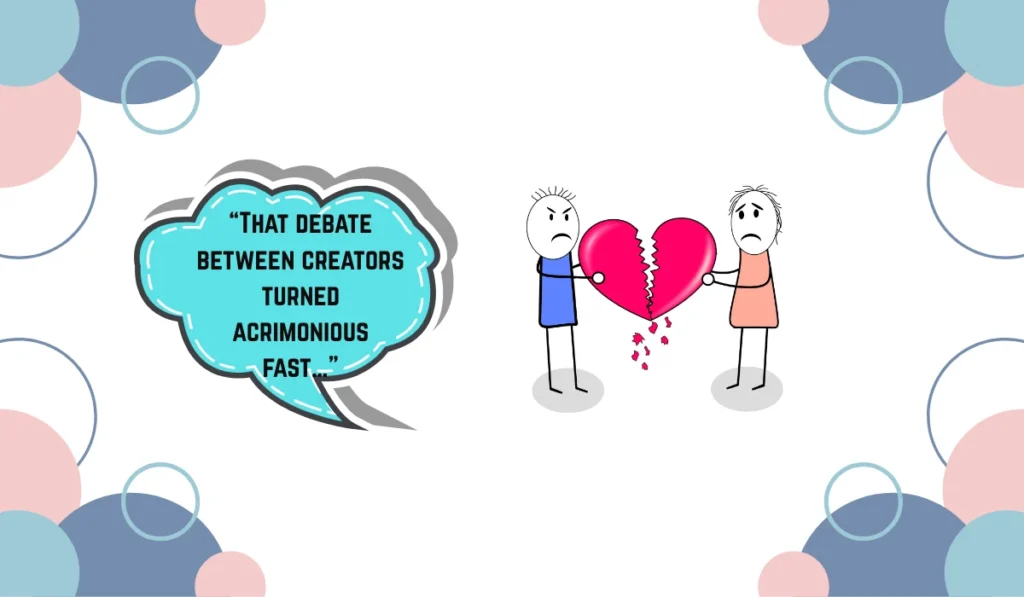
“That debate between creators turned acrimonious fast…”
💼 Workplace Chat (Slack/Teams)
“Let’s keep the discussion professional and avoid an acrimonious tone.”
🧑🎓 Student Group Chat
“Our assignment discussion became acrimonious because nobody agreed 😭”
How to Use “Acrimonious” Correctly (Quick Guide)
✅ Do This:
- Use it for heated arguments
- Use it when tone is bitter or harsh
- Use it in semi-formal or expressive messages
❌ Avoid This:
- Don’t use it for small disagreements
- Don’t overuse it in casual slang-heavy chats
- Don’t confuse it with simple anger
FAQs
1. What does acrimonious mean in simple words?
It means angry and bitter, especially in arguments or conversations.
2. Is acrimonious a slang word?
No, it’s a standard English word, not slang.
3. Can I use acrimonious in texting?
Yes! It’s commonly used in texts, especially when describing heated discussions.
4. What’s an example of acrimonious behavior?
People arguing with harsh words, insults, or strong emotions.
5. Is acrimonious always negative?
Yes, it describes negative, hostile interactions.
6. What’s the difference between acrimonious and angry?
- Angry = emotion
- Acrimonious = tone of communication (bitter + harsh)
7. Can relationships be acrimonious?
Yes. For example:
“An acrimonious breakup” means it ended with conflict and bitterness.
8. Why is acrimonious used more online now?
Because digital conversations often involve debates, opinions, and emotional reactions, making tone-based words more useful.
Conclusion:
Understanding acrimonious meaning helps you better navigate modern communication especially in a world where tone can easily be misunderstood through screens.
Whether you’re reading a heated comment thread, texting friends, or participating in online discussions, recognizing when things turn acrimonious can help you respond smarter or step away before things escalate.
In short:
- Acrimonious = bitter, angry, harsh communication
- It’s widely used in texts, social media, and online debates
- Knowing it helps you interpret tone more accurately
💬 Now it’s your turn!
Have you ever been in an acrimonious chat or argument online? Share your experience or your favorite text abbreviation in the comments!