Understanding everyday words like “shortcomings” might seem simple, but in today’s fast-moving digital world where texting, social media, and online conversations dominate meanings often shift depending on context.
Whether you’re reading a message, writing a caption, or chatting in a group, knowing how to interpret and use words like shortcomings meaning correctly can make your communication clearer and more impactful.
In this guide, we’ll break down everything you need to know about shortcomings meaning, how it’s used in modern conversations (including chats and online culture), and how you can confidently use it yourself.
What Does “Shortcomings” Mean? (Definition & Origin)
Simple Definition
Shortcomings refers to faults, weaknesses, or areas where someone or something is lacking.
👉 In plain terms:
It means the things you’re not good at or where something falls short.
Quick Breakdown
- Short = lacking or insufficient
- Coming = result or outcome
So, shortcomings = areas where results are not good enough
Examples
- “We all have our shortcomings.”
- “The app has a few shortcomings, but it’s still useful.”
Origin Insight
The term has been around for centuries in English and was originally used to describe failures to meet expectations a meaning that still holds strong today, even in modern digital communication.
How to Use “Shortcomings” in Texts or Chat
Even though shortcomings is not an abbreviation or slang, it still appears frequently in texts, social media posts, and online discussions especially when people are being honest, reflective, or critical.
Common Contexts Where It’s Used
- Self-reflection:
“I know my shortcomings, I’m working on them.” - Feedback or criticism:
“This game has a few shortcomings tbh.” - Relationships:
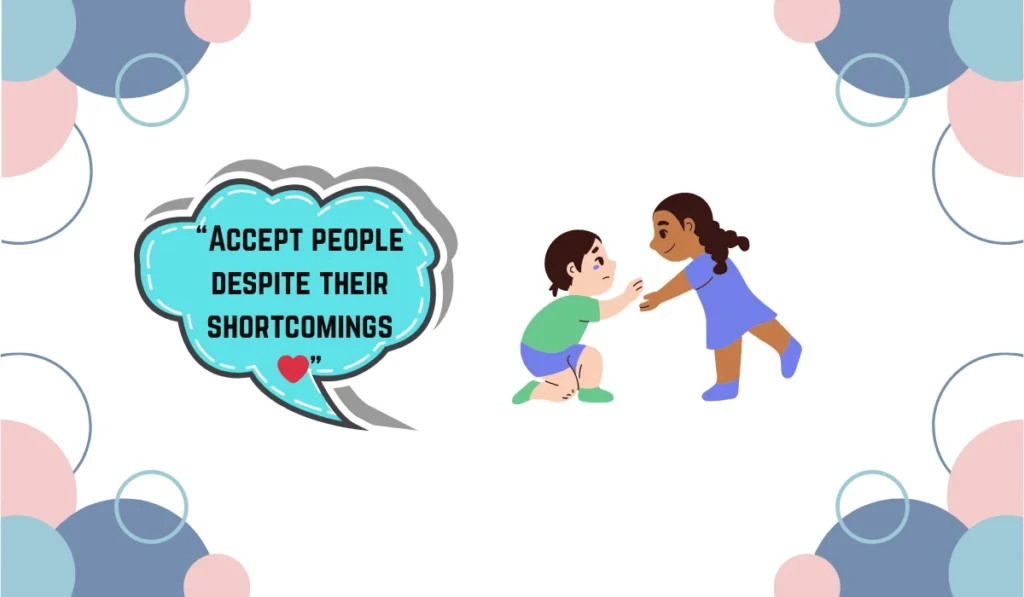
“Accept people despite their shortcomings ❤️” - Professional chats:
“Let’s identify the shortcomings in this strategy.”
Modern Chat Tone Variations (2026 Style)
People often mix shortcomings with casual slang:
- “Not gonna lie, this update got some serious shortcomings 😅”
- “We all got shortcomings fr”
- “Her only shortcoming? She overthinks everything 💭”
👉 Notice how emojis and abbreviations like “fr” (for real) and “ngl” (not gonna lie) make the tone more relaxed.
Examples of “Shortcomings” in Conversations
1. Casual Chat
Friend 1: I messed up again 😭
Friend 2: Chill, we all got shortcomings
2. Social Media Post
“Learning to accept my shortcomings and grow every day 🌱 #SelfImprovement”
3. Gaming Community
“This game looks great but its shortcomings are hard to ignore.”
4. Workplace Chat
“We need to address the shortcomings in our customer service process.”
5. Funny/Relatable
“My biggest shortcoming? Starting Netflix shows at 2AM 😂”
Common Mistakes or Misunderstandings
Even though shortcomings meaning is straightforward, people still misuse it sometimes.
❌ Mistake 1: Confusing It With Failure
- Wrong: “I failed, that’s my shortcoming.”
- Better: “Lack of preparation is my shortcoming.”
👉 A shortcoming is a weakness, not the result.
❌ Mistake 2: Using It Too Harshly
- “You have too many shortcomings” ❌ (sounds rude)
👉 Better:
- “We all have some shortcomings to work on.”
❌ Mistake 3: Using It in Casual Slang Contexts Where It Feels Too Formal
- “Bro your gameplay has shortcomings” (sounds robotic)
👉 Better:
- “Bro your gameplay needs work 😅”
❌ Mistake 4: Thinking It’s an Abbreviation
Unlike LOL, BRB, or IMO,
👉 shortcomings is NOT a slang abbreviation
It’s a formal word used in both formal and informal contexts.
Related Slangs or Abbreviations
While shortcomings itself isn’t slang, it often appears alongside modern chat abbreviations and expressions.
Common Related Terms
- Flaws – Similar meaning, more casual
- Weaknesses – Direct synonym
- Limitations – Often used in professional contexts
Popular Chat Abbreviations Used With It
- NGL – Not gonna lie
- IMO – In my opinion
- FR – For real
- TBH – To be honest
Example Combo Sentences
- “Ngl this phone got some shortcomings”
- “IMO his biggest shortcoming is communication”
- “We all got shortcomings fr”
🔗 Internal Linking Suggestions (For SEO)
You can link this article to:
- “NGL Meaning in Chat”
- “IMO Meaning Explained”
- “TBH Meaning in Text”
- “What Does FR Mean?”
When Should You Use “Shortcomings”?
✅ Use It When:
- You want to sound thoughtful or reflective
- Giving constructive feedback
- Talking about self-improvement
- Writing professional or semi-formal content
❌ Avoid It When:
- You want a super casual tone
- Talking with friends in quick chats
- Writing memes or jokes (unless used humorously)
Real-Life Usage Scenarios (2026 Trends)
Self-Improvement Culture
With personal growth trending in 2026, people use shortcomings more in motivational content:
“Your shortcomings don’t define you—they guide your growth.”
Online Reviews
- “Great design but a few shortcomings in performance.”
TikTok/Instagram Captions
- “Embracing my shortcomings ✨”
Reddit Discussions
- “What are the shortcomings of this strategy?”
FAQs
1. What does “shortcomings” mean in simple words?
It means weaknesses or areas where someone or something is not good enough.
2. Is “shortcomings” a slang or abbreviation?
No, it’s a standard English word, not slang.
3. Can I use “shortcomings” in texting?
Yes, but it sounds more thoughtful or serious than casual slang.
4. What is the difference between “shortcomings” and “flaws”?
- Shortcomings = broader, often about skills or abilities
- Flaws = more personal or character-based
5. Is “shortcomings” negative?
Not always. It can be neutral or constructive, especially in self-improvement contexts.
6. What is an example of a shortcoming?
- Poor time management
- Lack of communication skills
7. Can “shortcomings” be used positively?
Yes! For example:
“Recognizing your shortcomings is the first step to growth.”
8. What’s the opposite of shortcomings?
- Strengths
- Advantages
- Strong points
Conclusion
Understanding the shortcomings meaning helps you communicate more clearly whether you’re giving feedback, reflecting on yourself, or discussing ideas online.
It’s a powerful word that bridges both formal and casual communication, making it highly versatile in 2026’s digital conversations.
The key takeaway?
👉 Shortcomings are not failures they’re opportunities to improve.
Use the term thoughtfully, mix it with modern chat styles when needed, and you’ll sound both smart and relatable in any conversation.
💬 Now it’s your turn!
What’s a common text abbreviation or word you’ve always wondered about?
Share it in the comments and let’s decode it together!