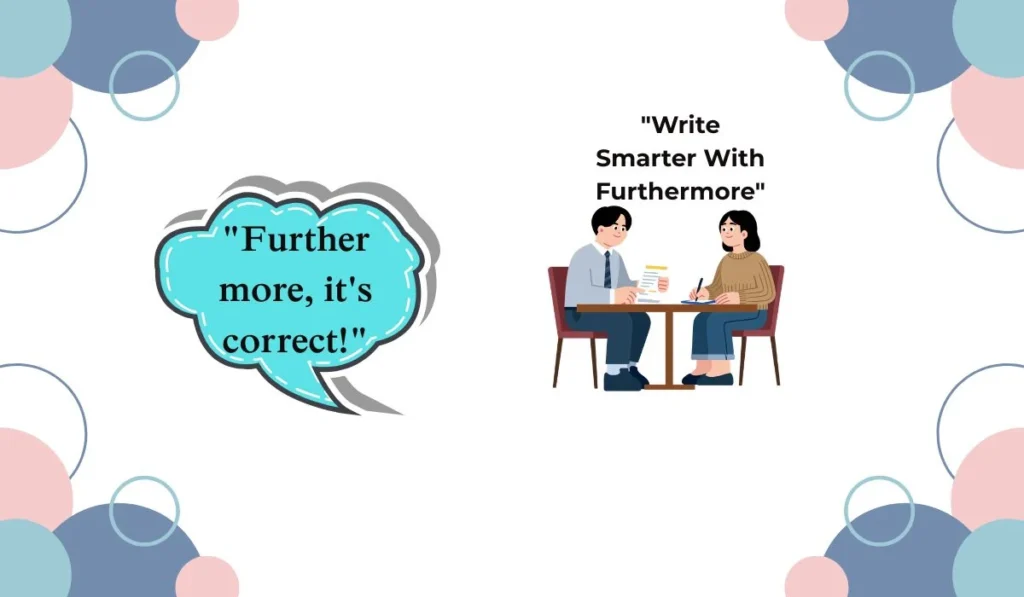
In today’s fast-moving digital world, understanding words and phrases used in texts, chats, and online discussions is more important than ever.
While many internet users focus on abbreviations like
“LOL” or
“BRB,”
some formal transition words still appear regularly in emails, essays, social media captions, and even long chat messages.
One of those words is “furthermore.”
So, what exactly does furthermore meaning refer to, and how should you use it correctly in conversations or writing?
This guide breaks everything down in simple language. Whether you saw the word in a text, online comment, business email, or school discussion, this article will help you understand its meaning, usage, examples, and common mistakes.
What Does “Furthermore” Mean?
The word furthermore is a transition word used to add more information to a statement. It basically means:
- In addition
- Also
- Moreover
- Besides that
People use it when they want to continue explaining a point or strengthen an argument.
Simple Definition of Furthermore
Furthermore means “adding another important point or detail.”
Quick Example
“The movie was funny. Furthermore, the acting was amazing.”
In this sentence, “furthermore” adds another positive point about the movie.
Origin of the Word “Furthermore”
The word comes from combining:
- Further = additional or more
- More = extra information
Over time, English speakers merged the idea into one formal linking word: furthermore.
It has been used in English writing for centuries and is especially common in:
- Academic writing
- Professional emails
- News articles
- Essays
- Formal online discussions
Today, people also use it in long social media captions, Reddit posts, blogs, and thoughtful text conversations.
Why Understanding “Furthermore Meaning” Matters
A lot of people recognize the word but don’t know how to use it naturally.
Understanding furthermore meaning helps you:
- Sound smarter and clearer in writing
- Connect ideas smoothly
- Improve emails and essays
- Communicate professionally online
- Avoid awkward sentence structure
In 2026, digital communication is a mix of casual slang and polished writing. Knowing transition words like “furthermore” helps you switch between both styles easily.
How to Use “Furthermore” in Texts or Chat
Although “furthermore” sounds formal, people still use it online especially in longer messages or serious conversations.
Basic Usage Rule
Use furthermore when you want to:
- Make one point
- Add another related point
Formula
Sentence 1 + Furthermore + additional information
Examples
- “I’m tired today. Furthermore, I still have homework to finish.”
- “That restaurant is affordable. Furthermore, the food tastes incredible.”
- “She’s good at gaming. Furthermore, she streams professionally.”
Is “Furthermore” Formal or Casual?
The answer is: mostly formal.
You probably won’t text your best friend:
“Furthermore, I forgot my charger.”
That sounds overly serious.
But you might use it in:
- Work chats
- School discussions
- Debate forums
- Long Instagram captions
- LinkedIn posts
- Essays
- Professional emails
Casual Alternatives
In casual texting, people often replace “furthermore” with:
- Also
- Plus
- And
- On top of that
- Besides
Example:
Formal:
“Furthermore, the app is free.”
Casual:
“Plus, the app is free.”
Examples of “Furthermore” in Conversations
Here are realistic examples showing how people use the word online and in everyday communication.
Example 1: School Discussion
Student A:
“The project already looks good.”
Student B:
“Furthermore, we finished it before the deadline.”
Example 2: Social Media Post
“This skincare product improved my acne. Furthermore, it made my skin softer within a week.”
Example 3: Gaming Forum
“The update fixed many bugs. Furthermore, the servers feel much faster now.”
Example 4: Workplace Chat
“The campaign increased sales by 20%. Furthermore, customer engagement improved significantly.”
Example 5: Funny Usage
Friend 1:
“I ate one slice of pizza.”
Friend 2:
“Furthermore, you ate MY slice too.”
This kind of exaggerated formal wording is sometimes used jokingly online.
How “Furthermore” Appears on Social Media
You may see the word on platforms like:
- TikTok comments
- Reddit discussions
- X/Twitter threads
- Facebook posts
- LinkedIn articles
- YouTube comments
Popular Modern Usage
Many users intentionally use formal words in funny situations.
Example:
“Furthermore, I deserve financial compensation for waking up early.”
This dramatic style became popular in meme culture because overly formal language can sound hilarious in casual situations.
Furthermore vs Moreover vs Also
People often confuse these words because they all add information.
Here’s the difference:
| Word | Tone | Example |
|---|---|---|
| Furthermore | Formal | “Furthermore, the plan saves money.” |
| Moreover | Very formal | “Moreover, the results were consistent.” |
| Also | Neutral | “Also, the plan saves money.” |
| Plus | Casual | “Plus, it saves money.” |
Which One Should You Use?
- Use furthermore in professional or polished writing.
- Use also in everyday communication.
- Use plus in casual chats.
Common Mistakes People Make
Even native English speakers misuse “furthermore” sometimes.
1. Using It in Very Casual Texts
Overusing formal words can sound robotic.
Awkward:
“Furthermore, what’s for dinner?”
Better:
“Also, what’s for dinner?”
2. Starting Every Sentence With Furthermore
Repeating it too often makes writing boring.
Bad Example:
“Furthermore, the game is fun. Furthermore, the graphics are great. Furthermore, the music is cool.”
Better:
“The game is fun. Furthermore, the graphics are impressive, and the soundtrack is excellent.”
3. Incorrect Punctuation
Usually, a comma follows the word.
Correct:
“Furthermore, I agree with your opinion.”
Incorrect:
“Furthermore I agree with your opinion.”
Can “Furthermore” Be Used in Text Messages?
Yes, but context matters.
Appropriate Situations
You can use it in:
- Serious discussions
- Long explanations
- Academic chats
- Group projects
- Debate conversations
Situations Where It Sounds Weird
Avoid using it in ultra-casual messages like:
- “Furthermore, send memes.”
- “Furthermore, I’m hungry.”
Unless you’re joking intentionally.
Funny and Meme-Like Uses of Furthermore
Internet humor often mixes formal language with silly situations.
Meme Example
“Furthermore, my cat pays no rent.”
Or:
“Furthermore, I was emotionally damaged by that math test.”
This style became trendy because dramatic wording makes ordinary complaints funnier.
Related Slangs and Abbreviations
If you’re learning internet language, here are related terms worth knowing.
Common Transition Words Online
| Word | Meaning |
|---|---|
| BTW | By the way |
| IMO | In my opinion |
| TBH | To be honest |
| Also | Adds information |
| Moreover | Adds stronger supporting detail |
| Plus | Casual addition |
| Besides | Another supporting point |
Examples of Furthermore in Different Contexts
In Emails
“Furthermore, I attached the updated document for review.”
In Essays
“Furthermore, climate change affects global agriculture.”
In Reddit Discussions
“Furthermore, the developers already confirmed the fix.”
In YouTube Comments
“Furthermore, this creator deserves more subscribers.”
In Group Chats
“Furthermore, nobody told me there was homework.”
Should You Use “Furthermore” in Professional Writing?
Absolutely.
It’s commonly used in:
- Reports
- Research papers
- Business proposals
- Formal emails
- Presentations
Using transition words improves clarity and makes writing easier to follow.
Professional Example
“The company reduced costs this quarter. Furthermore, employee satisfaction improved.”
That sounds polished and professional.
Furthermore Meaning in Gen Z and Internet Culture
Interestingly, Gen Z and meme communities sometimes use “furthermore” ironically.
Why?
Because overly formal words sound funny in casual contexts.
Example
“Furthermore, I need emotional support after watching that season finale.”
This dramatic style creates humor through exaggeration.
Synonyms for Furthermore
Here are useful alternatives:
- Moreover
- In addition
- Also
- Besides
- Additionally
- Plus
- On top of that
Example Comparison
Original:
“Furthermore, the game is free.”
Alternative:
“Additionally, the game is free.”
Tips for Using Furthermore Naturally
Do:
- Use it to connect related ideas
- Add commas correctly
- Use it in formal writing
- Keep sentences clear
Don’t:
- Overuse it
- Force it into casual slang
- Use it in every paragraph
Internal Linking Suggestions for Related Articles
If you run a slang or texting meanings website, you can internally link this article to:
- “TBH Meaning in Text”
- “IMO Meaning Explained”
- “What Does BTW Mean?”
- “Gen Z Slang Dictionary”
- “Formal vs Casual Texting Words”
- “How Transition Words Improve Writing”
These related topics improve SEO relevance and user engagement.
FAQs
1. What does “furthermore” mean in simple words?
It means “also” or “in addition.”
2. Is “furthermore” formal?
Yes, it is mostly considered a formal transition word.
3. Can I use “furthermore” in texting?
Yes, but it works better in serious or long conversations than casual chats.
4. What is another word for “furthermore”?
Common alternatives include:
- Moreover
- Also
- Additionally
- Plus
5. Why do people use “furthermore” in memes?
People use it humorously because formal wording sounds dramatic in silly situations.
6. Do you need a comma after “furthermore”?
Usually, yes.
Example:
“Furthermore, the results improved.”
7. Is “furthermore” old-fashioned?
Not exactly. It’s still widely used in essays, emails, and professional writing.
8. What’s the difference between “furthermore” and “moreover”?
Both add information, but “moreover” sounds slightly more formal and academic.
Conclusion
Understanding furthermore meaning can seriously improve the way you communicate online and offline.
Whether you’re writing essays, texting in group chats, posting on social media, or sending professional emails, this transition word helps connect ideas clearly and smoothly.
While it’s more formal than everyday slang, internet culture has also turned “furthermore” into a funny and dramatic expression in memes and casual posts.
That mix of professionalism and humor is exactly why the word still feels relevant in 2026.
The next time you see “furthermore” in a message, comment, or caption, you’ll know exactly what it means and how to use it naturally yourself.
Updated for 2026: Language trends keep evolving, but strong communication never goes out of style.
Share your favorite text abbreviation or internet slang in the comments!