If you’ve recently seen someone use the term
“lithromantic”
on TikTok, Reddit, Discord, or dating apps, you’re not alone.
Internet slang and identity-related terms evolve quickly, and understanding them can help you communicate more respectfully and confidently online.
The phrase
“lithromantic meaning”
has become a trending search because many people are curious about modern romantic identities and how they fit into texting culture, online relationships, and social media conversations.
Updated for 2026, this article gives you a complete, beginner-friendly explanation of the term and how people use it online today.
What Does “Lithromantic” Mean?
Lithromantic describes someone who may experience romantic attraction toward others but does not want those feelings returned or may lose romantic interest once the attraction is reciprocated.
In simple terms:
- A lithromantic person can have crushes.
- They may enjoy admiring someone from a distance.
- But once the relationship becomes mutual or serious, the romantic feelings may fade.
The term is commonly associated with the aromantic spectrum (often shortened to “aro spectrum”).
Simple Definition
Lithromantic meaning: Feeling romantic attraction without wanting it to be reciprocated, or losing attraction when it is reciprocated.
Some people also use the older term “akoiromantic,” though “lithromantic” is more common online today.
Origin of the Word “Lithromantic”
The exact online origin of the term comes from LGBTQ+ and aromantic-spectrum communities that created more specific labels to describe different relationship experiences.
The word became more popular through:
- Tumblr communities
- Reddit discussions
- TikTok identity videos
- LGBTQ+ forums
- Discord servers
- Dating and identity conversations online
By 2026, the term is widely recognized in many online spaces discussing relationships, attraction, and identity.
Why Understanding “Lithromantic Meaning” Matters
Modern texting and internet culture include many identity labels that help people explain emotions and relationship experiences more accurately.
Understanding terms like lithromantic helps you:
- Avoid misunderstandings in conversations
- Respect people’s identities
- Communicate better in dating situations
- Understand social media discussions and memes
- Learn modern relationship terminology
In today’s online culture, knowing these terms is similar to understanding slang abbreviations like:
- “IMO”
- “FR”
- “IYKYK”
- “Situationship”
- “Aroace”
They help people express nuanced feelings quickly and clearly.
How to Use “Lithromantic” in Texts or Chat
People usually use the term in:
- Social media bios
- Dating profiles
- LGBTQ+ discussions
- Relationship conversations
- Meme culture
- Personal identity posts
Common Ways It Appears Online
Here are some realistic examples:
- “I realized I might be lithromantic because I lose feelings when people like me back.”
- “My crushes are fun until they become real lol.”
- “I’m lithromantic, so dating can feel complicated sometimes.”
- “That fictional character obsession but no desire to actually date anyone? Very lithromantic energy.”
Examples of “Lithromantic” in Conversations
Example 1: Casual Chat
Friend 1: “You liked them for months. Why did you stop talking once they confessed?”
Friend 2: “Honestly, I think I might be lithromantic.”
Example 2: TikTok Comment
“The second someone likes me back, my brain exits the chat 💀 maybe I’m lithromantic.”
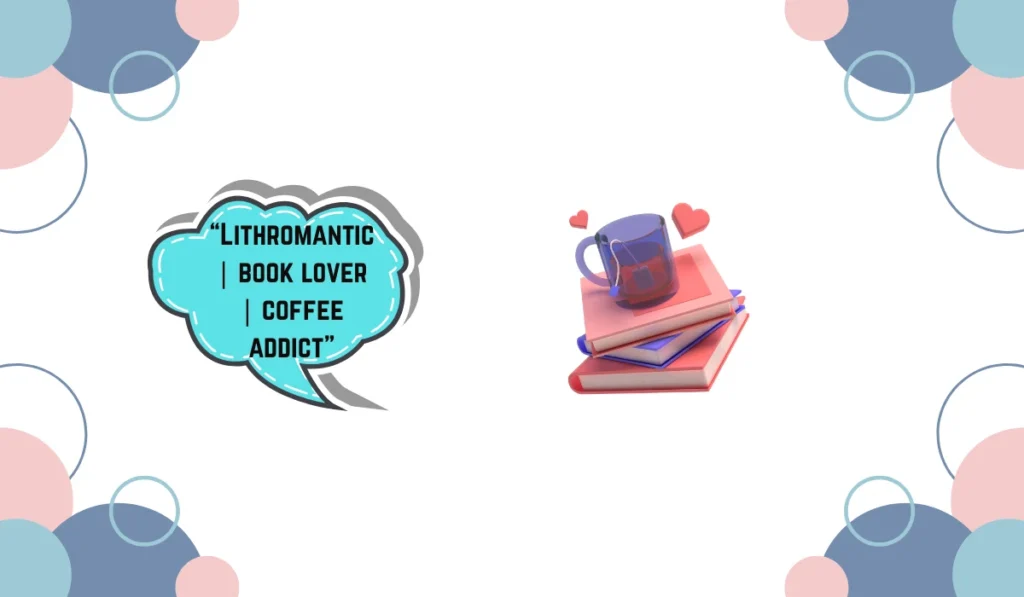
Example 3: Dating App Bio
“Lithromantic | book lover | coffee addict”
This tells potential matches that the person may experience attraction differently from traditional romantic expectations.
Example 4: Funny Meme Scenario
“Having fictional crushes = amazing
Actually dating someone = system error”
This style of humor is very common in online lithromantic discussions.
Signs Someone Might Identify as Lithromantic
Not everyone experiences lithromantic feelings the same way, but some common experiences include:
- Enjoying crushes from afar
- Losing attraction after confession or reciprocation
- Feeling uncomfortable in romantic relationships
- Preferring fantasy over actual romance
- Enjoying emotional closeness without romantic commitment
- Feeling confused by traditional dating expectations
It’s important to remember:
Identity labels are personal.
Not everyone with these experiences will identify as lithromantic.
Lithromantic vs Aromantic: What’s the Difference?
People often confuse these two terms.
Lithromantic
- Experiences romantic attraction
- Attraction may disappear if reciprocated
- May enjoy crushes or romantic fantasies
Aromantic
- Experiences little or no romantic attraction overall
A lithromantic person may still:
- Have crushes
- Enjoy romance stories
- Like romantic aesthetics
But their real-life romantic feelings work differently.
Lithromantic vs “Playing Hard to Get”
This is one of the biggest misunderstandings online.
Being lithromantic is not:
- Manipulation
- Attention-seeking
- Fear of commitment alone
- “Playing games”
It’s an identity or emotional experience that some people genuinely relate to.
A person who is lithromantic usually isn’t trying to confuse others intentionally.
Common Mistakes or Misunderstandings
1. Assuming It’s Just Fear of Relationships
While some experiences can overlap, lithromantic identity is broader than simple relationship anxiety.
2. Thinking It’s Temporary
For some people, it’s a long-term identity. For others, it may evolve over time.
Both experiences are valid.
3. Confusing It With Asexuality
Romantic attraction and sexual attraction are different things.
Someone can be:
- Lithromantic and sexual
- Lithromantic and asexual
- Lithromantic and allosexual
These identities can overlap but are not identical.
4. Believing It’s “Just Online Slang”
The term became popular online, but for many people it represents real emotional experiences and identity exploration.
How “Lithromantic” Is Used on Social Media in 2026
The term appears frequently on:
TikTok
People share relatable relationship memes and personal identity stories.
Users discuss confusing crush experiences and relationship patterns.
Discord
Identity-focused communities often include aromantic-spectrum discussions.
Tumblr
Still popular for LGBTQ+ identity conversations and fandom-related content.
X (formerly Twitter)
Used in memes, fandom discussions, and self-descriptions.
Funny and Relatable Lithromantic Moments
Internet culture loves relatable humor, and lithromantic memes often include jokes like:
- “I want a crush, not a relationship.”
- “My feelings disappear faster than my phone battery.”
- “Romance is better in theory.”
- “Why is mutual attraction suddenly stressful?”
These jokes resonate because many people relate to complicated emotional experiences.
Related Slangs, Terms, and Abbreviations
If you’re researching lithromantic meaning, you may also come across these related terms.
Aromantic (Aro)
A person who experiences little or no romantic attraction.
Aroace
Short for:
- Aromantic
- Asexual
Grayromantic
Someone who experiences romantic attraction rarely or under specific circumstances.
Demiromantic
Someone who only develops romantic attraction after a strong emotional bond.
Situationship
A modern slang term for an undefined romantic connection.
Queerplatonic Relationship (QPR)
A deeply committed relationship that may not fit traditional romantic categories.
How to Respect Someone Who Identifies as Lithromantic
If someone shares this identity with you:
Do:
- Listen respectfully
- Ask polite questions if appropriate
- Respect boundaries
- Avoid assumptions
Don’t:
- Mock the identity
- Pressure them into relationships
- Assume they’re “confused”
- Treat it like a trend
Good communication matters more than perfectly understanding every label immediately.
Can Someone Stop Being Lithromantic?
Identity can evolve over time.
Some people identify as lithromantic for years. Others later discover a different label that fits better.
There’s no universal rule.
The most important thing is:
- self-understanding
- comfort
- honest communication
Why the Word Became Popular Online
The internet gives people space to discuss feelings that were hard to describe before.
Terms like lithromantic became popular because they help people explain experiences such as:
- enjoying crushes without wanting relationships
- discomfort with reciprocation
- confusing attraction patterns
- disconnect between fantasy and reality
For many users, finding the term felt validating.
Real-Life Usage Scenario
Imagine this situation:
You constantly develop intense celebrity crushes or fictional character obsessions. You love imagining romantic scenarios in your head. But when someone in real life shows romantic interest, you suddenly lose attraction or feel uncomfortable.
That experience is commonly discussed in lithromantic communities.
SEO Tip: Why People Search “Lithromantic Meaning”
Most users searching this keyword want one of three things:
- A simple definition
- Relationship clarification
- Social media context
That’s why modern articles need to explain:
- identity context
- texting usage
- real-life examples
- meme culture
- relationship misunderstandings
not just dictionary definitions.
Internal Linking Suggestions for Related Articles
If you run a slang or texting blog, consider linking this article to:
- “What Does Aroace Mean?”
- “Situationship Meaning in Text”
- “Demiromantic Meaning Explained”
- “What Does IYKYK Mean?”
- “Internet Relationship Slang Guide”
- “Modern LGBTQ+ Text Terms”
These related topics help improve SEO relevance and reader engagement.
FAQs
1. What does lithromantic mean in simple words?
It means someone may feel romantic attraction but not want those feelings returned, or they may lose attraction once it becomes mutual.
2. Is lithromantic part of the LGBTQ+ community?
It is commonly discussed within aromantic-spectrum and LGBTQ+ communities, though identity experiences vary by person.
3. Can lithromantic people date?
Yes. Some lithromantic people date, while others prefer not to.
4. Is lithromantic the same as aromantic?
No. Aromantic usually means little or no romantic attraction, while lithromantic people may still experience crushes.
5. What’s the difference between lithromantic and shy?
Shyness is about nervousness or social anxiety. Lithromantic describes a pattern of romantic attraction.
6. Is lithromantic just an internet trend?
The term became popular online, but many people use it to genuinely describe their emotional experiences.
7. Can someone be lithromantic and still want companionship?
Absolutely. Romantic attraction and emotional companionship are not always the same thing.
8. Where is the term most commonly used?
You’ll often see it on TikTok, Reddit, Tumblr, Discord, and identity-focused online communities.
Conclusion
Understanding lithromantic meaning helps make sense of a growing part of modern online relationship language.
The term describes people who experience romantic attraction differently especially when it comes to reciprocation and emotional connection.
As internet culture evolves, identity-related slang and terminology continue becoming more common in chats, social media bios, memes, and dating conversations.
Updated for 2026, this article reflects how the term is currently used across texting culture and social media.
Share your favorite text abbreviation or internet slang term in the comments!