Language in texting and online communication evolves fast. Words that once had a strict dictionary meaning now carry emotional, casual, or even slang interpretations depending on context.
One such word is “strain.”
If you’ve seen someone say “this is such a strain” in a message or comment and wondered what they really meant, you’re not alone.
In today’s digital world whether you’re texting friends, chatting on social media, or scrolling through forums understanding subtle meanings like strain meaning in chat can help you:
- Avoid misunderstandings
- Respond more naturally
- Sound more relatable and fluent online
Updated for 2026, this guide breaks down everything you need to know about strain meaning, how it’s used in texting, and how you can use it like a pro.
What Does “Strain” Mean? (Definition & Origin)
Basic Definition
The word strain traditionally means:
Physical or emotional pressure, stress, or effort.
In simple terms:
- If something is a strain, it’s hard, tiring, or stressful
Modern Chat Meaning
In texting and online conversations, “strain” is often used to describe:
- Emotional exhaustion
- Mental pressure
- Annoyance or frustration
- Something that feels too much to deal with
👉 Example:
“This group project is such a strain 😩”
Here, strain = stressful and overwhelming.
Origin of the Word
The word comes from Old French “estreindre” (to tighten or press), which explains why it still carries the idea of pressure or tension.
Over time, its meaning expanded to include:
- Emotional tension
- Relationship difficulties
- Mental overload
And now, it fits perfectly into modern texting culture.
How to Use “Strain” in Texts or Chat
Using strain in conversation is actually pretty easy once you understand the tone.
1. To Express Stress or Pressure
Use it when something feels overwhelming.
Examples:
- “Deadlines are putting a strain on me.”
- “Studying all night is a strain tbh.”
2. To Describe Emotional Exhaustion
It can show mental fatigue without sounding too dramatic.
Examples:
- “Talking to him lately feels like a strain.”
- “Social media can be a strain sometimes.”
3. In Relationships (Very Common Use)
In chats, strain is often used to describe tension between people.
Examples:
- “Long distance is putting a strain on us.”
- “There’s been some strain in our friendship.”
4. Casual & Relatable Usage
People often use it in a light or humorous way.
Examples:
- “Waking up early is a strain 😂”
- “My wallet is under strain after shopping.”
Examples of “Strain” in Conversations
Here are some realistic, modern chat scenarios:
Example 1: Student Life
A: “Did you finish the assignment?”
B: “Barely… this semester is a strain 😩”
Example 2: Work Stress
A: “Why are you offline so much?”
B: “Work has been a strain lately.”
Example 3: Relationship Talk
A: “You guys okay?”
B: “Yeah, just a bit of strain recently.”
Example 4: Funny Scenario
A: “Gym today?”
B: “Bro even walking is a strain today 💀”
Example 5: Financial Humor
A: “New phone?”
B: “Yeah… now my bank account is under strain 😭”
Common Mistakes or Misunderstandings
Even though strain is simple, people often misuse it.
❌ Mistake 1: Using It as Slang for Something Cool
Some users assume it means something positive.
Wrong:
- “That party was a strain 🔥”
👉 This sounds confusing because strain is usually negative or stressful.
❌ Mistake 2: Confusing It with “Trend” or “Vibe”
They sound similar in casual speech but mean very different things.
- Strain = stress or pressure
- Trend = something popular
❌ Mistake 3: Overusing It in Casual Chat
Using strain too often can make conversations sound heavy.
👉 Instead, mix it with:
- “stress”
- “pressure”
- “draining”
Related Slangs or Abbreviations
To sound more natural, it helps to know similar expressions.
Common Alternatives
- “Stress” – Most direct alternative
- “Draining” – Emotionally exhausting
- “Too much” – Overwhelming
- “Burned out” – Extreme exhaustion
Internet Slang with Similar Meaning
- “SMH” – Shaking my head (frustration)
- “UGH” – Annoyance
- “Tired AF” – Very tired
- “Over it” – Done with something
Example Comparison
- “This is a strain”
- “This is draining”
- “I’m over this”
All express similar feelings but with slightly different tones.
When Should You Use “Strain”?
Understanding context is key.
Best Situations:
✔ Talking about stress
✔ Describing emotional pressure
✔ Discussing relationships
✔ Casual complaining
Avoid Using It When:
❌ You want to sound upbeat
❌ Talking about exciting events
❌ In highly formal writing (use “stress” instead)
Real-Life Usage in 2026 (Trending Contexts)
In 2026, people commonly use strain in:
1. Social Media Posts
“Digital detox because life online is a strain.”
2. Work-from-Home Conversations
“Back-to-back meetings are a strain.”
3. Mental Health Awareness
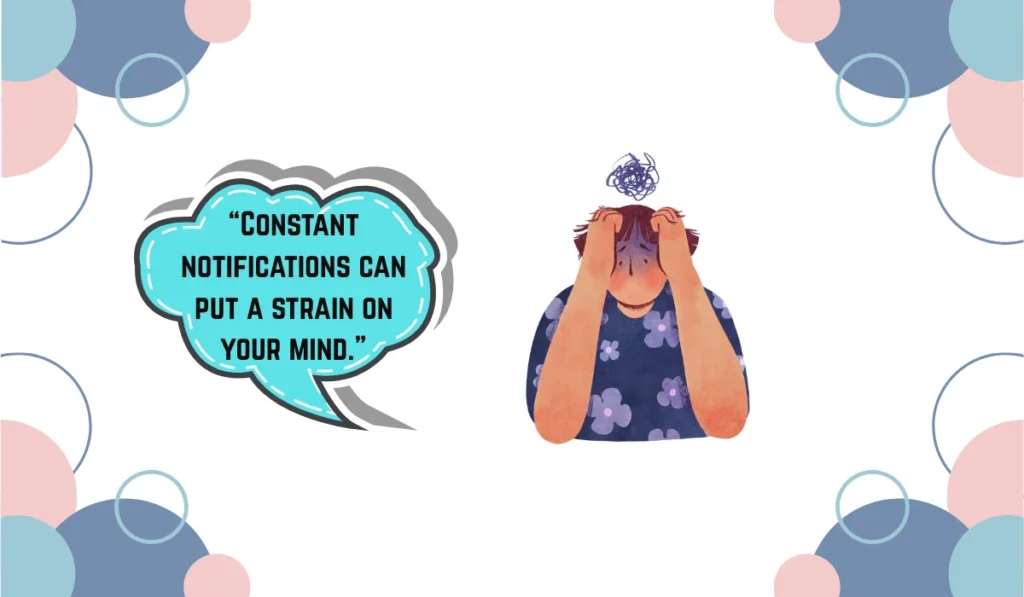
“Constant notifications can put a strain on your mind.”
4. Meme Culture
“Monday mornings = emotional strain 💀”
Personal Insight: Why “Strain” Feels So Relatable
What makes strain popular in chat isn’t just its meaning it’s how real it feels.
It’s:
- Less dramatic than “I’m exhausted”
- More expressive than just “stress”
- Perfect for both serious and funny situations
In my experience, people use strain when they want to sound honest without over-explaining.
FAQs
1. What does “strain” mean in texting?
It means stress, pressure, or emotional difficulty in a situation.
2. Is “strain” a slang word?
Not exactly. It’s a standard English word, but it’s widely used in casual chat and online conversations.
3. Can “strain” be used in a positive way?
Rarely. It usually has a negative or stressful meaning.
4. What does “put a strain on” mean?
It means to cause stress or tension, especially in relationships or situations.
5. Is “strain” commonly used in social media?
Yes, especially in posts about:
- Stress
- Work
- Relationships
- Mental health
6. What’s the difference between “strain” and “stress”?
- Stress = general pressure
- Strain = pressure that feels more intense or ongoing
7. Can I use “strain” in professional chats?
Yes, but keep it minimal. It’s better suited for casual or semi-formal communication.
8. Why do people use “strain” in memes?
Because it’s relatable and dramatic in a funny way—perfect for exaggerating everyday struggles.
Internal Linking Suggestions (For SEO)
To boost your blog’s SEO, consider linking to:
- “What Does SMH Mean in Text?”
- “Tired AF Meaning Explained”
- “Over It Meaning in Chat”
- “Burnout Meaning in Social Media”
Conclusion:
Understanding strain meaning in text and chat helps you communicate more naturally in today’s fast-paced digital world.
At its core, strain is about pressure whether emotional, mental, or situational.
It’s a versatile word that fits perfectly into:
- Everyday texting
- Social media captions
- Relatable conversations
Used correctly, it makes your messages feel more human, expressive, and real.
As online language continues to evolve in 2026, knowing words like strain gives you an edge in both understanding and participating in modern conversations.
Now it’s your turn!
👉 Share your favorite text abbreviation in the comments what